What if I told you that creativity, something we usually think of as wild, mysterious, and unexplainable? But turns out it actually follows mathematical patterns.
From the way artists generate ideas to how scientists make breakthroughs, hidden equations and statistical rules shape our creative lives.
Once you see them, creativity feels less like a gamble and more like something you can practice, even engineer.
Here are my observations that helped:
1. Creativity Isn’t Random
The first time I noticed this was through failure.
When I designed the hero section for WordCamp Bharatpur 2025, I sketched multiple variations and tons of moodboard collections. Some looked too empty, others felt like overstuffed banners, and a few had color palettes that made me cringe the next morning.
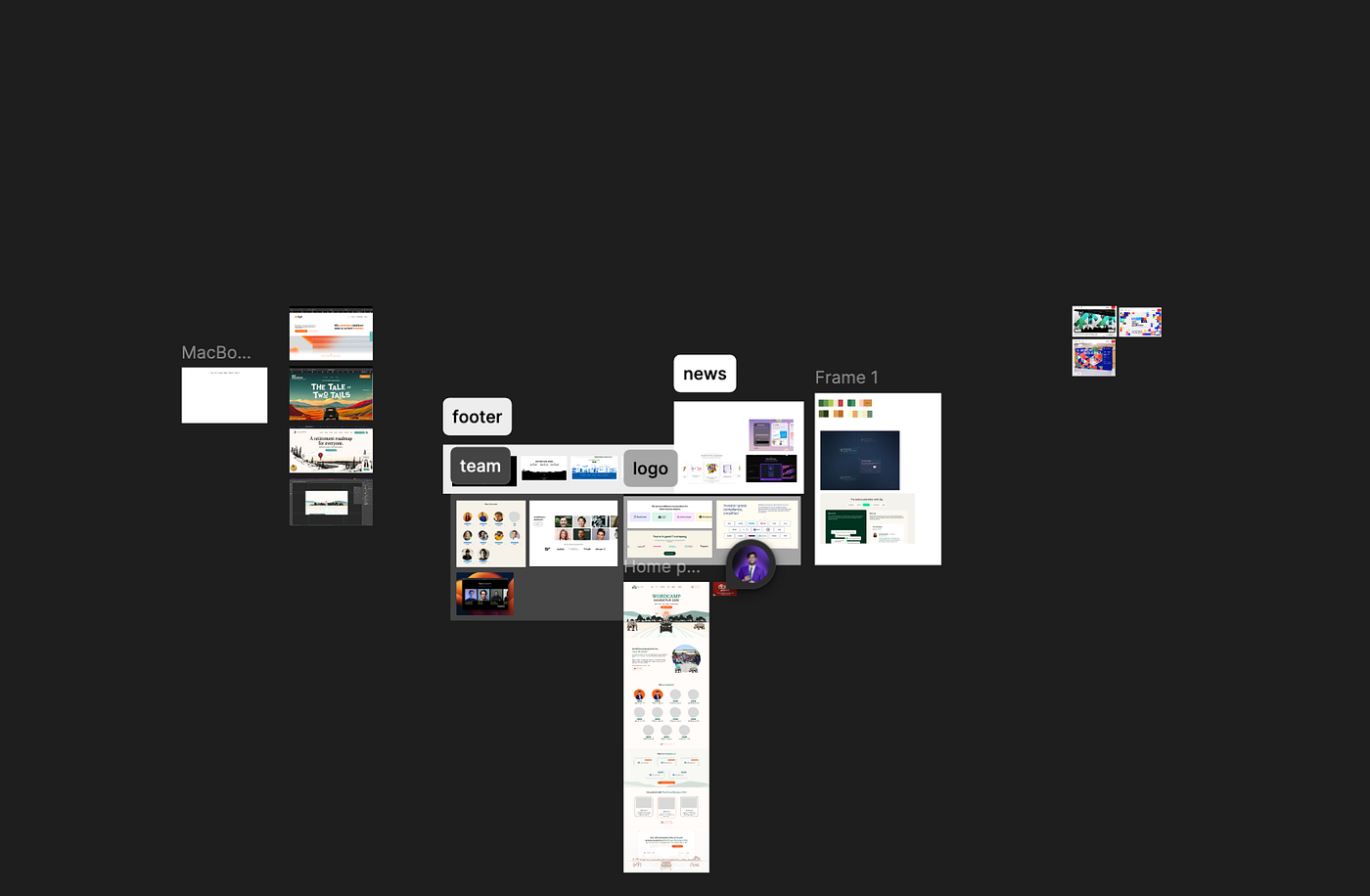
At the time, I thought: “Maybe I’m just not creative enough. Maybe the good idea isn’t coming.”
But then one of those variations clicked. It wasn’t perfect, but it carried enough spark that the organizing team loved it. From there, everything flowed.

Was that luck? Not really. It was math.
Psychologist Dean Keith Simonton studied thousands of creative works and found a clear pattern: the more attempts someone makes, the higher the probability of producing a masterpiece.
Edison filed over 1,000 patents, most forgettable. Picasso made 20,000 artworks, but only a handful define him.
It’s the law of large numbers: Quantity breeds quality.
That night of endless screens wasn’t wasted. It was math in action.
2. Zipf’s Law and Ideas That Stick
Here’s something strange I noticed while scrolling through my Medium dashboard.
Every article had the same effort, the same caffeine-fueled late nights. Yet only one piece exploded.
Is Simplicity Just Hiding Lazy Design?
That one post did what others didn’t — it got published in E³, sparked comments, and quietly outperformed everything else.

Meanwhile, the rest sat there with polite silence.
At first, I wondered if it was timing. Or maybe luck.
But then I saw the pattern: Zipf’s Law.
Zipf’s Law says that in any creative field, from songs to blog posts — a small number of hits get most of the attention, while the rest form a long, quiet tail.
It’s not unfairness. It’s statistics.
A few ideas will just resonate more deeply.
Maybe because they speak a universal truth, or just hit the right nerve at the right time.
For me, that “Simplicity” post worked because it wasn’t about pixels — it was about people. It asked a question every designer had secretly wondered.
3. Combinatorial Creativity
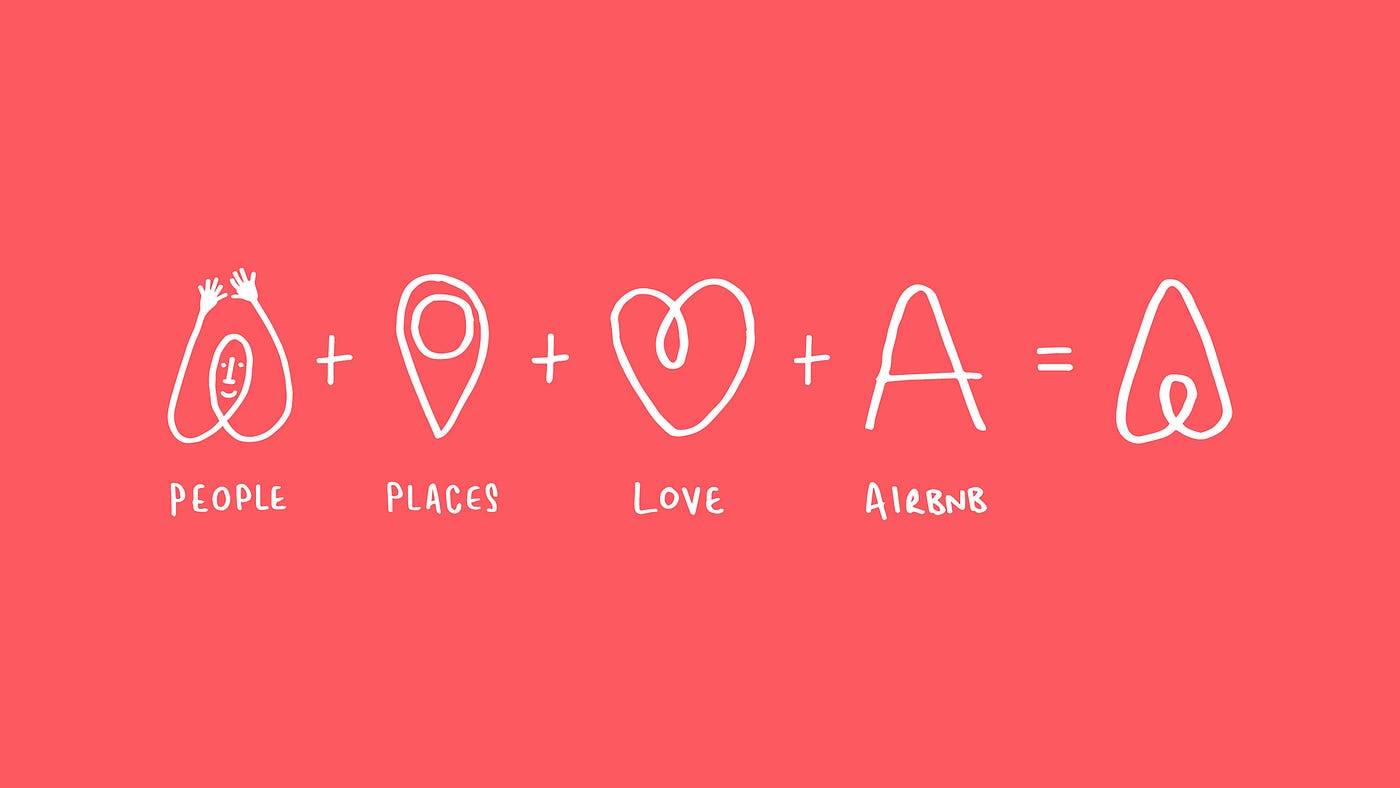
One of my favorite realizations: creativity is recombination.
When I started experimenting with design, I wasn’t inventing from scratch. I was remixing fonts I liked, colors I saw in street posters, and layouts from somewhere I saw on pinterest.
It felt original, but really, it was permutations and combinations at work.
Cognitive scientist Margaret Boden calls this “combinatorial creativity.” Like hip-hop sampling or meme culture, it’s old blocks arranged in surprising ways.
Math tells us that with just a few elements, the possible combinations are almost infinite. That’s why the same 12 musical notes can give us Beethoven and Billie Eilish.
4. Chaos and Order
One last lesson: creativity lives at the edge of chaos.
Too many orders, and you get boring repetition. Too much chaos, and nothing makes sense.
The sweet spot is somewhere in between.
I’ve felt this when brainstorming with a friend on finding out the name for the design community “Think Purple”. Random colors, strange words, half-serious jokes.
It was pure noise.
But then, boom!
Out of that chaos, “Think Purple” appeared.
It wasn’t on our list. It wasn’t even logical at first. But it felt right — bold, curious, and slightly rebellious.
That’s when I realized: great ideas rarely walk in wearing name tags.
They crawl out of confusion, out of unfinished thoughts, out of the wild mix between control and surrender.
Mathematicians call this the edge of chaos, and it’s where the richest patterns form. Turns out, it’s also where the best ideas hide.
Here’s the formula:
Strip away the mystery, and creativity looks something like this:
Creativity = Attempts × Combinations × Time × Chaos–Order Balance
It’s not mystical lightning. It’s math hiding in plain sight.
And maybe that’s the most freeing part.
Because if creativity is math, then you don’t have to wait for inspiration. You just have to:
Creativity isn’t a mystery. It’s math with better lighting.
Now your turn
When did the math of your creativity surprise you?
Was it a design, a post, or a random idea that suddenly worked — after dozens that didn’t?
Share it below. I’d love to see what patterns you’ve found in your own creative chaos.